

Relief and Rehabilitation Programme
The Murshidabad district of West Bengal was rocked in April 2025 by a grave outbreak of communal violence originating from protests over the Waqf (Amendment) Act. What began as demonstrations quickly morphed into a coordinated and targeted assault on Hindu communities—marked by arson, looting, and brutal killings. In Jafarabad, the father–son duo Haragobindo Das and Chandan Das were dragged from their home and murdered with an axe before family members—one of several horrific acts during the unrest.A chargesheet spanning 983 pages has since been filed against 13 accused, highlighting the premeditated and communal nature of the violence.Investigations and eyewitness reports reveal a pattern of administrative negligence and political complicity. Local leaders were named as orchestrating the attacks—families testified that attackers were masked, and that appeals for police help went unanswered. Homes—including 113 in Betbona Village—and shops, temples, and markets within a short radius of police stations were destroyed; even water connections were cut to ensure flames could spread unchecked. By April 11, the violence had left 87 families (over 300 individuals) displaced, with widespread damage: 88 houses fully damaged, 162 partially, and dozens of shops destroyed. These victims—many fleeing across the river—found temporary refuge in school premises, overwhelmed and traumatized.
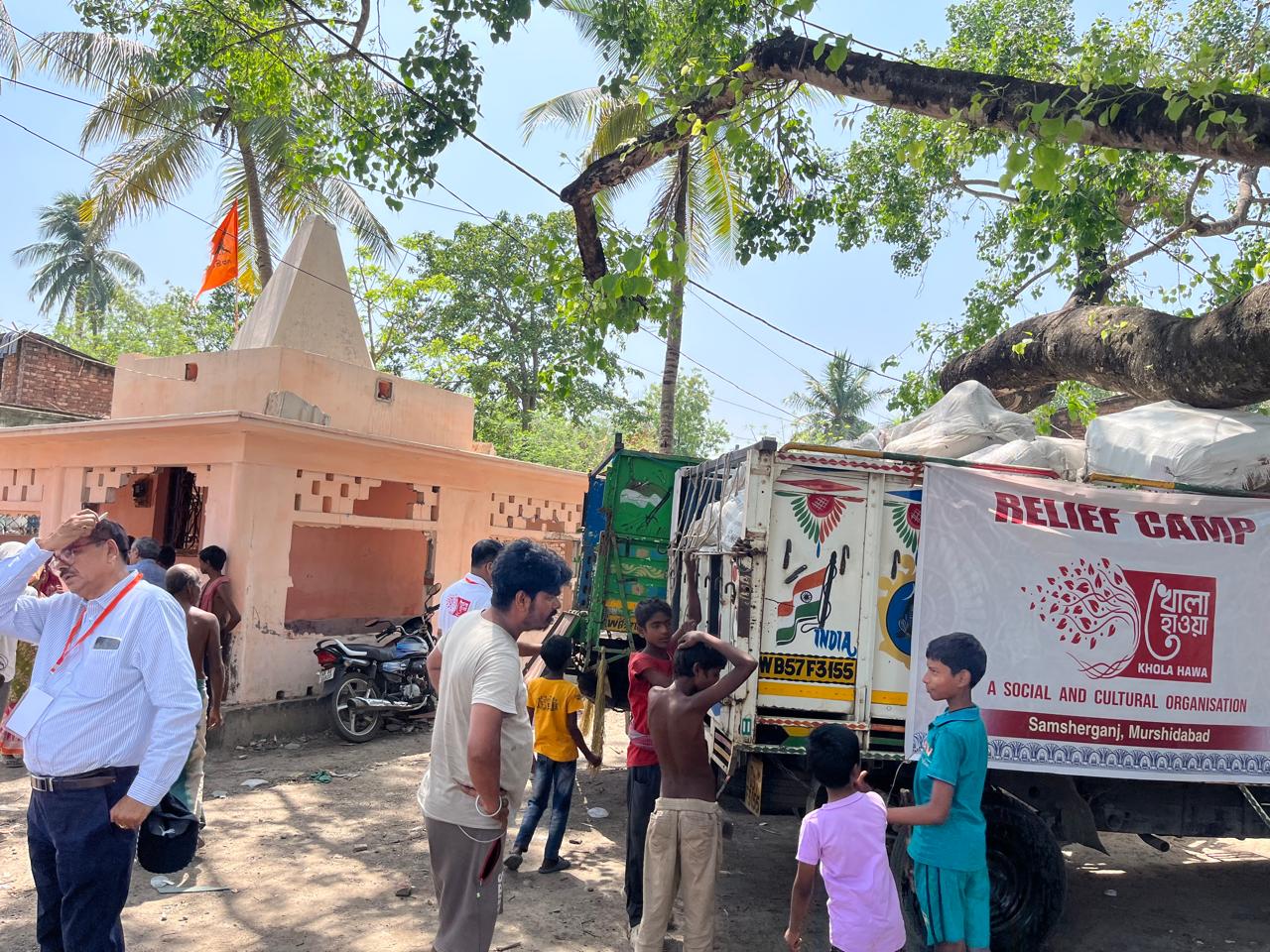
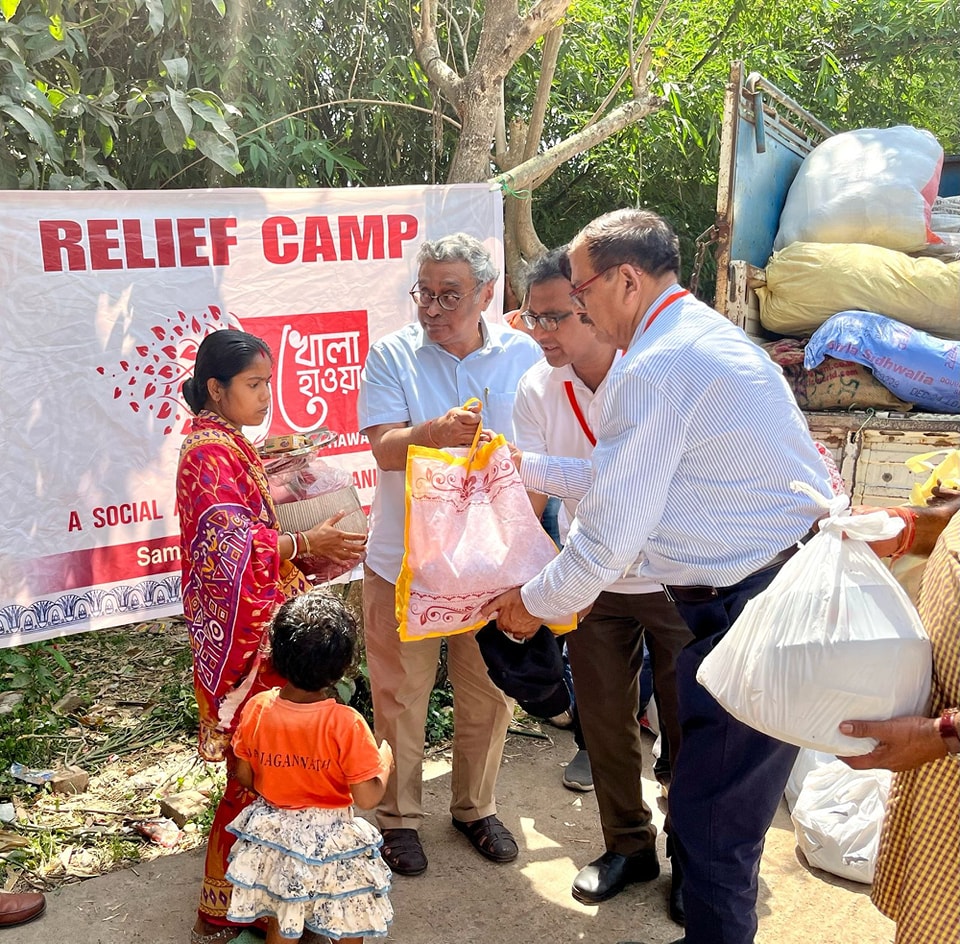
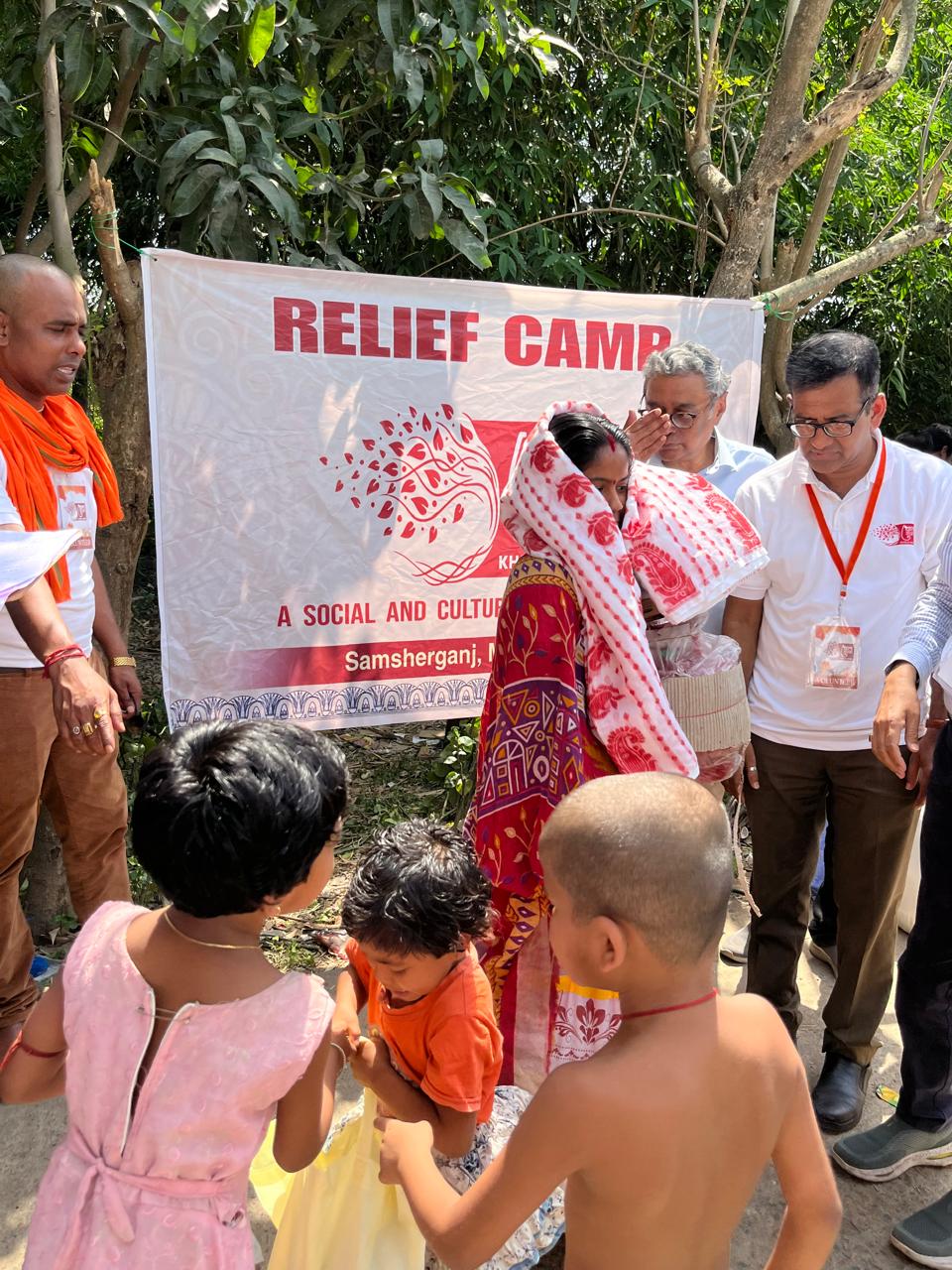
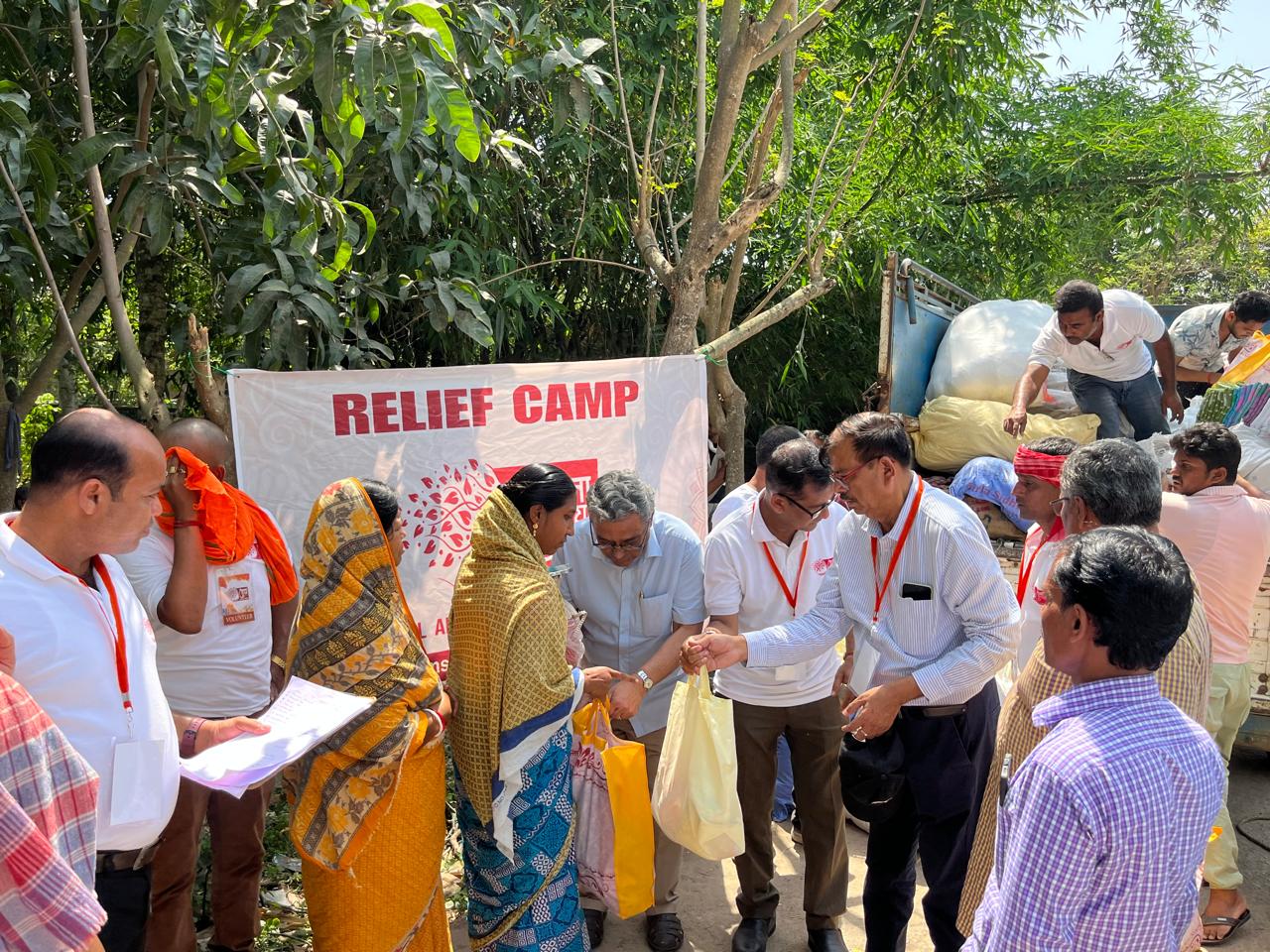
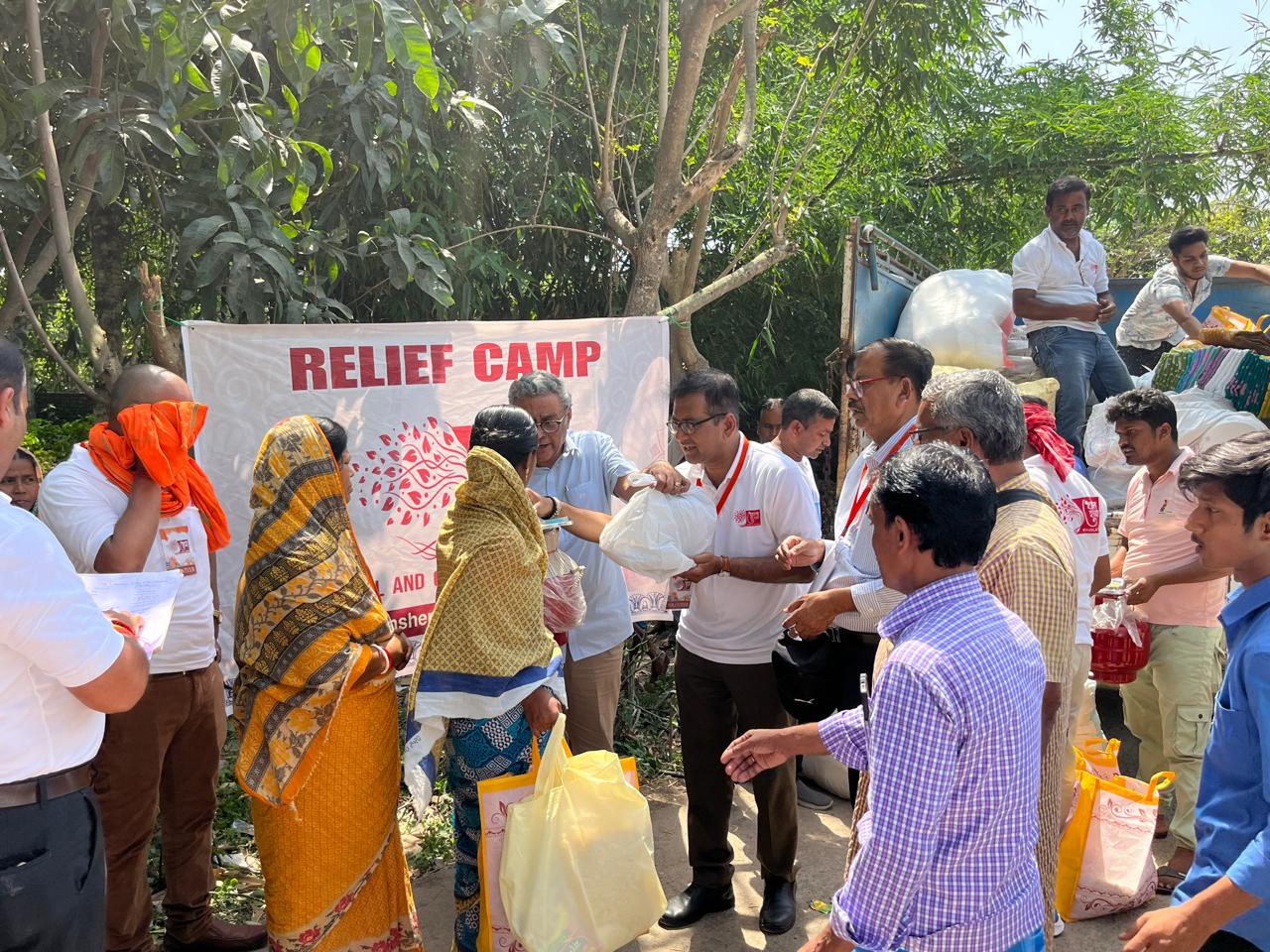
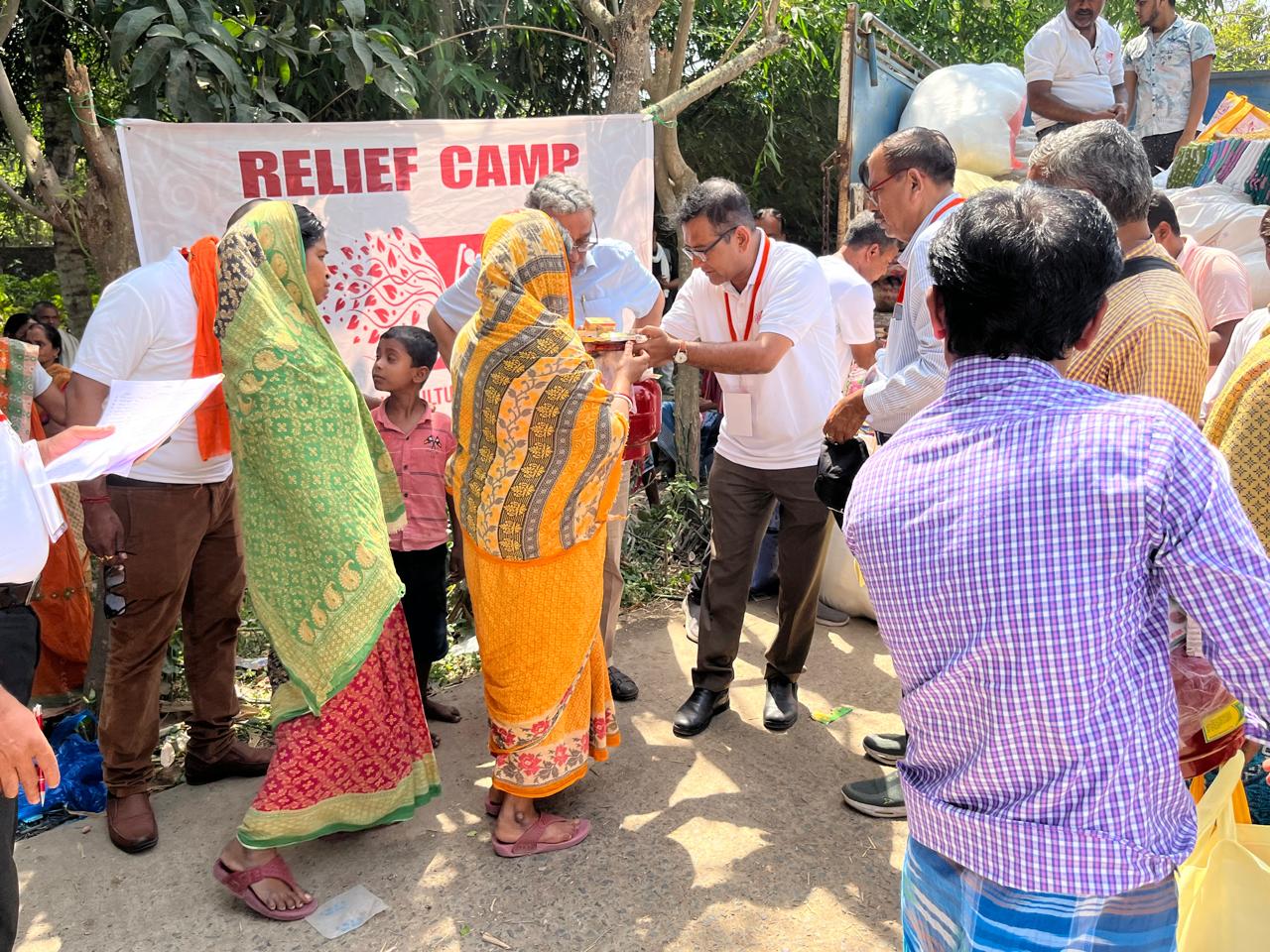
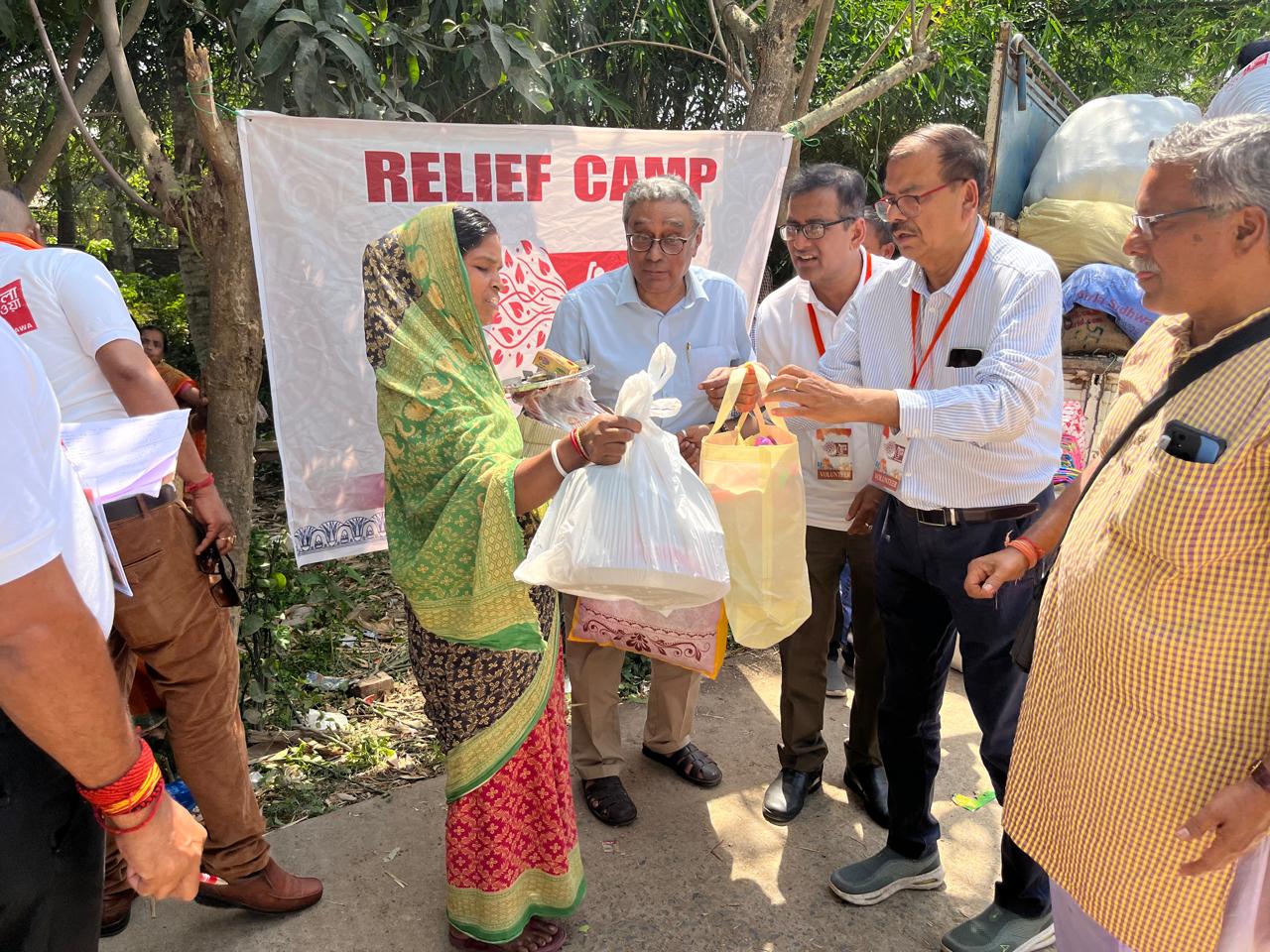
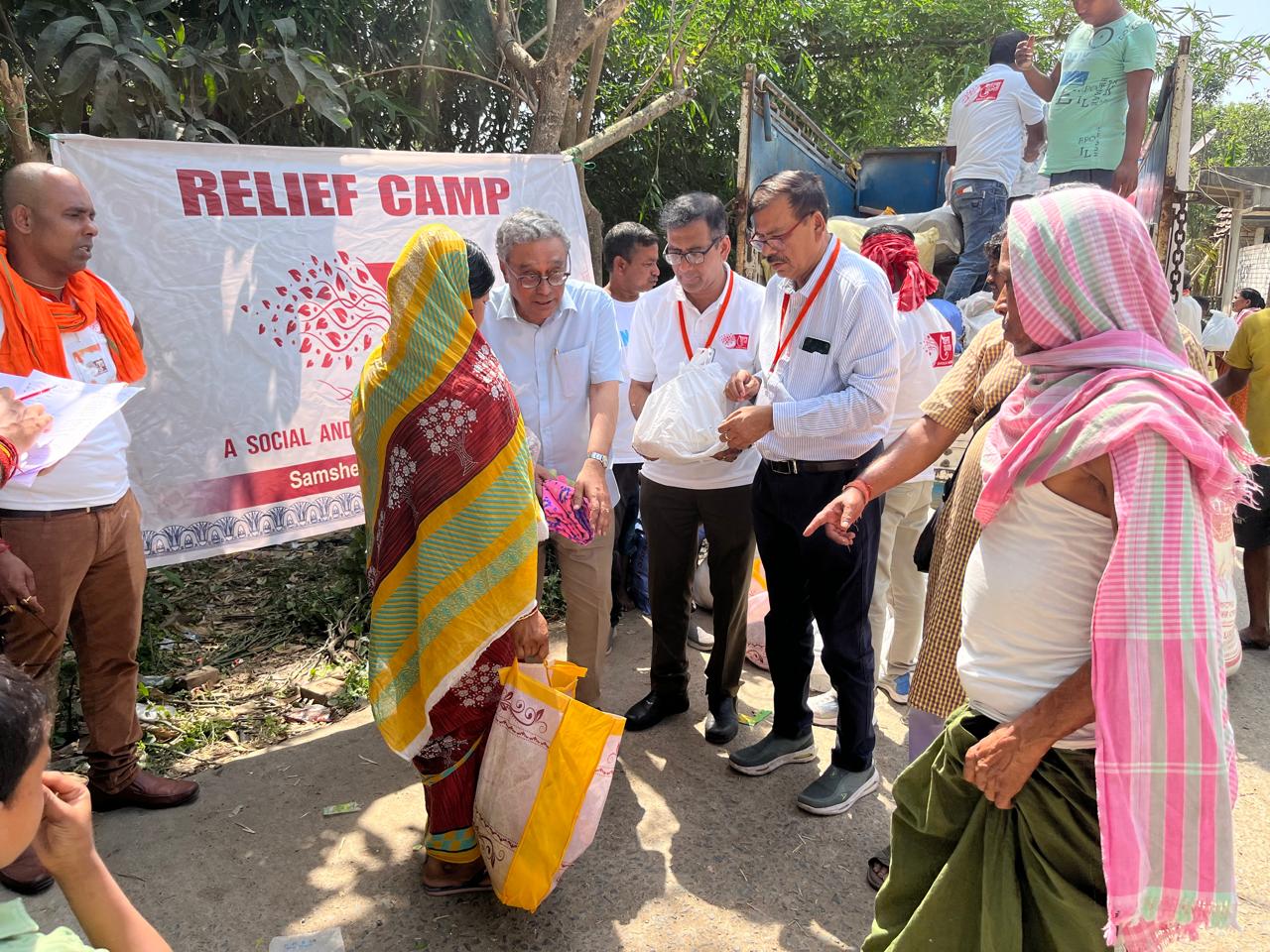
In the face of such devastation, Khola Hawa, a social and cultural organization, promptly stepped in. On 23rd and 24th April 2025, they organized a two-day relief and rehabilitation programme with due permission from the honorable Calcutta High Court, to support affected families in Murshidabad following the recent communal violence and terrorist attacks.
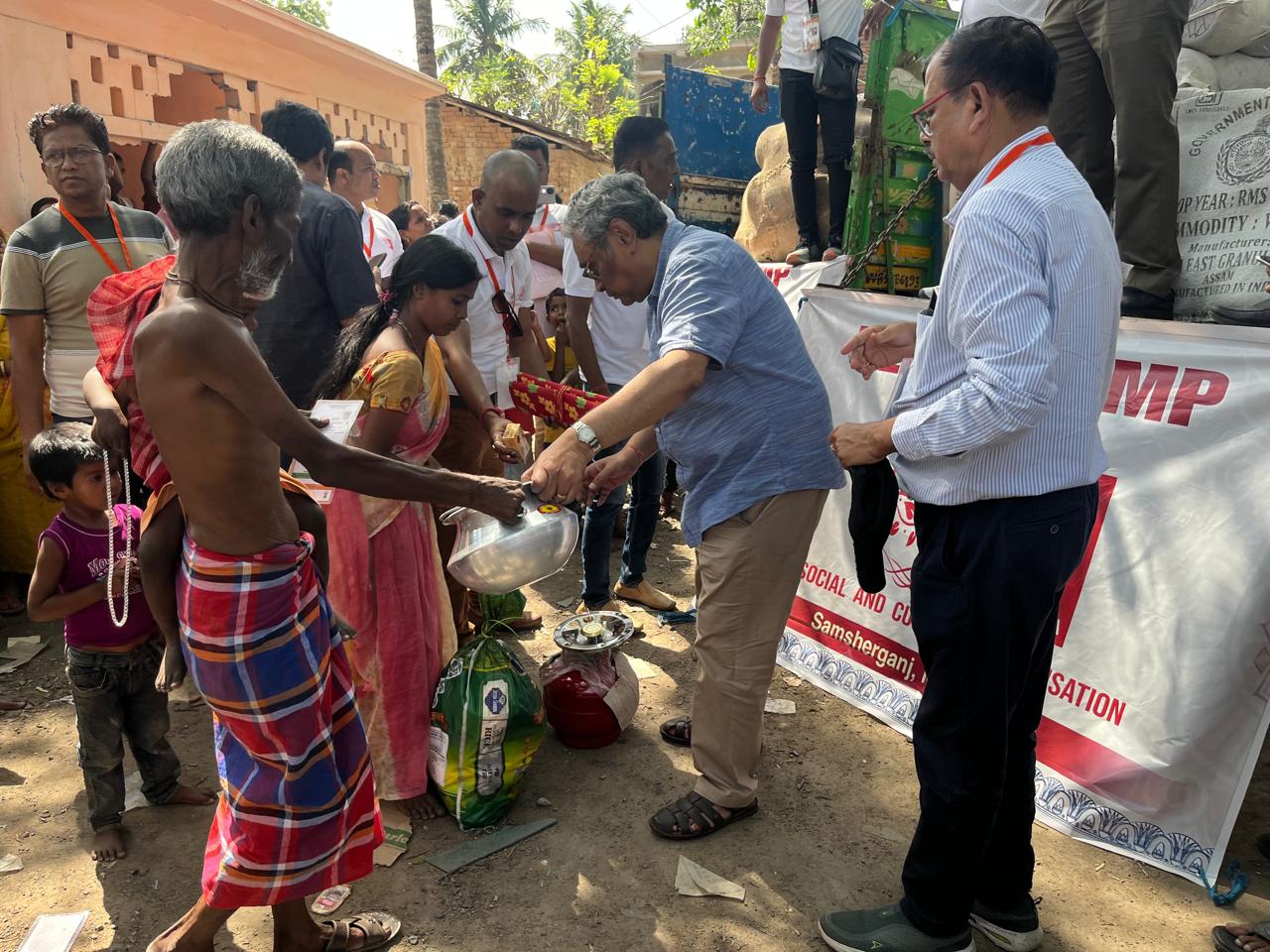
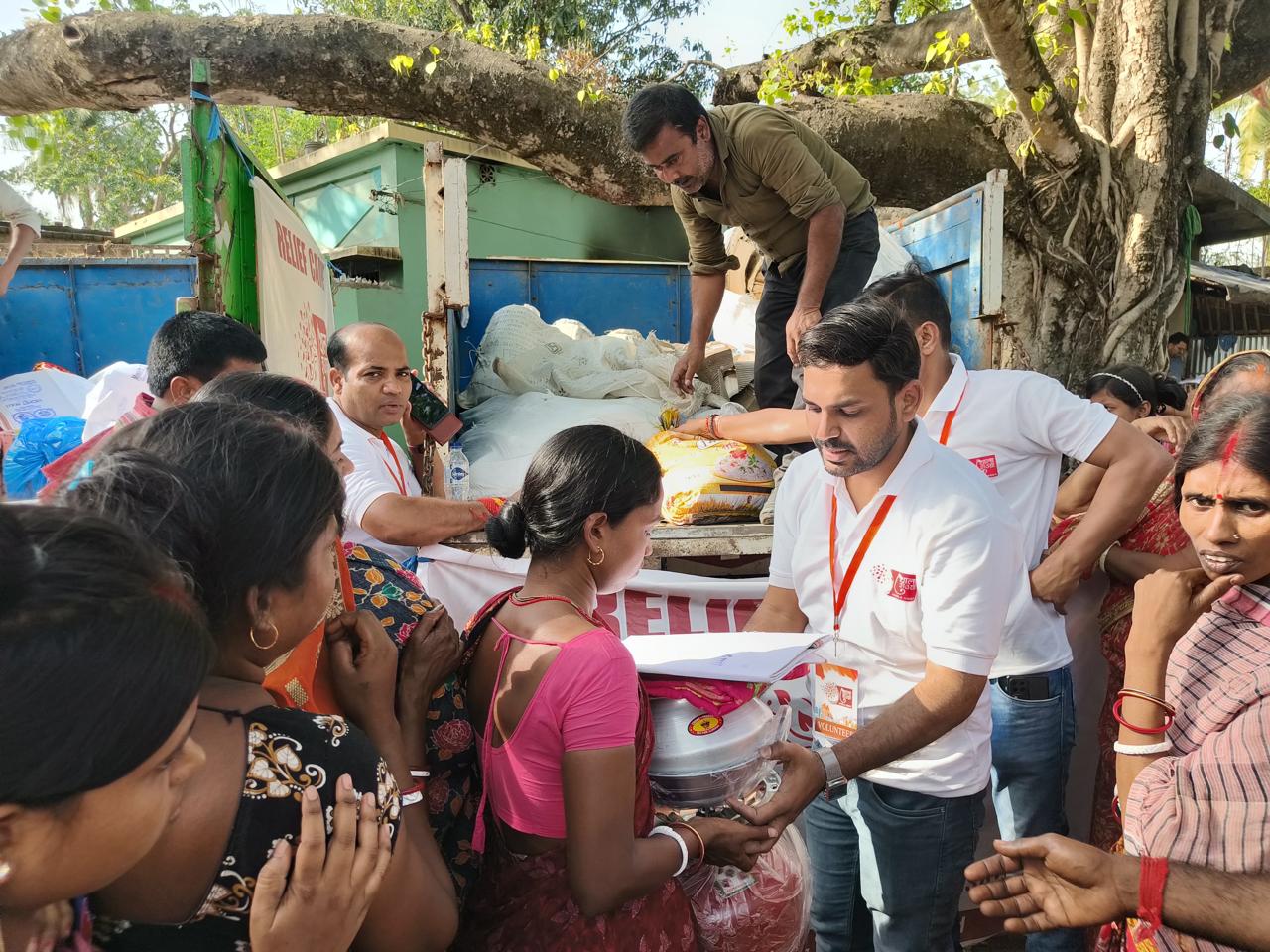
On the first day, the team visited Betbona, Lalpur, Chedipara and Dakshinpara, reaching out to 280 families, benefitting nearly 1,200 people. On the second day, relief work continued in Jafarabad, Ratanpur, Ghoshpara and Maheshpara, where 292 families comprising about 1,500 individuals received aid.
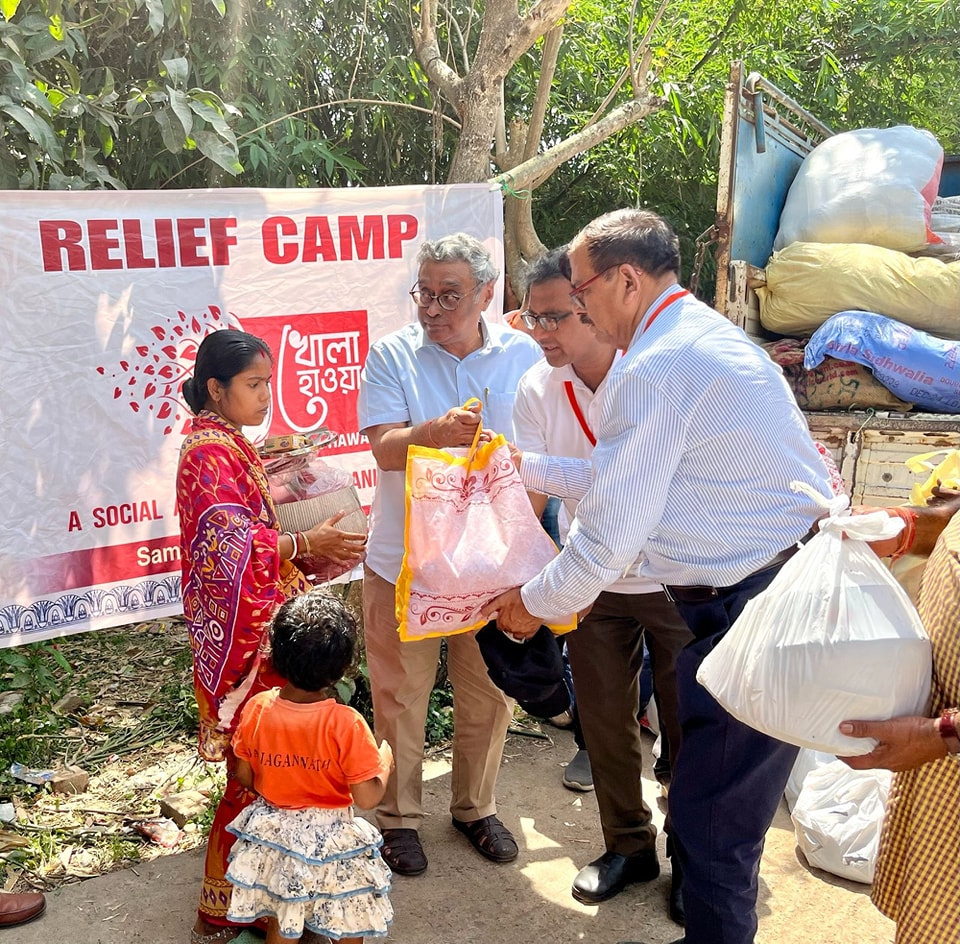
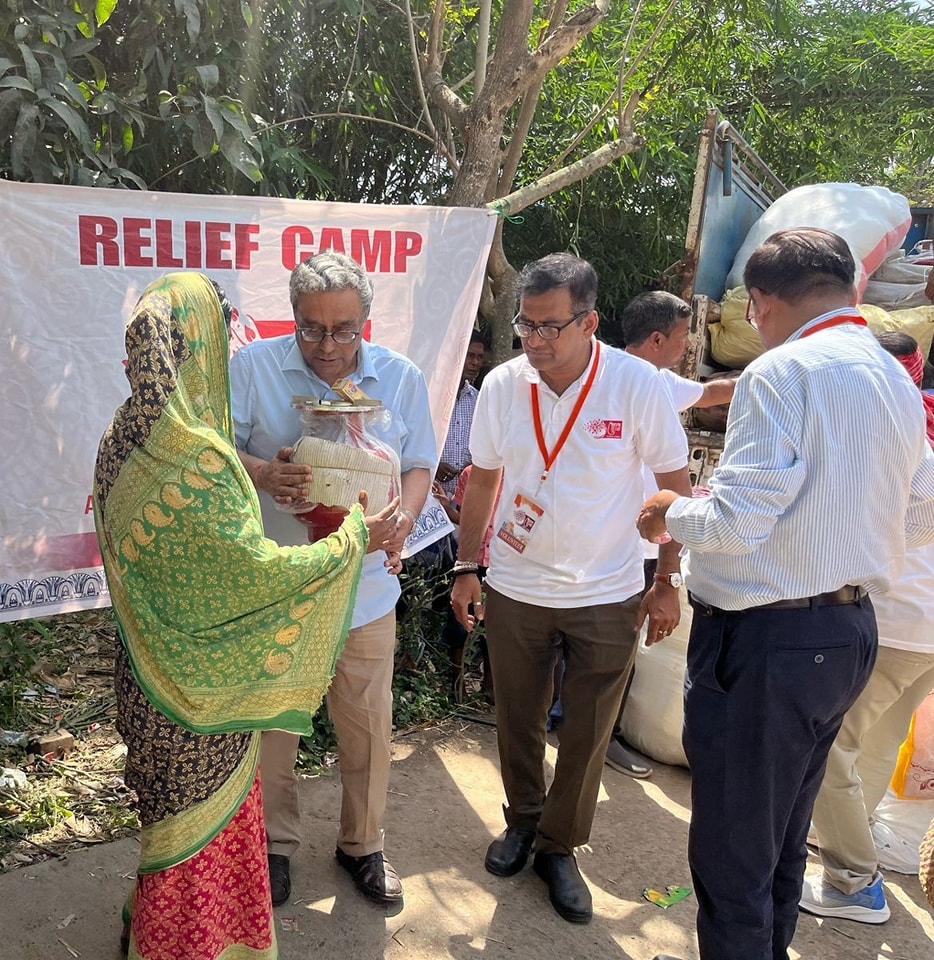
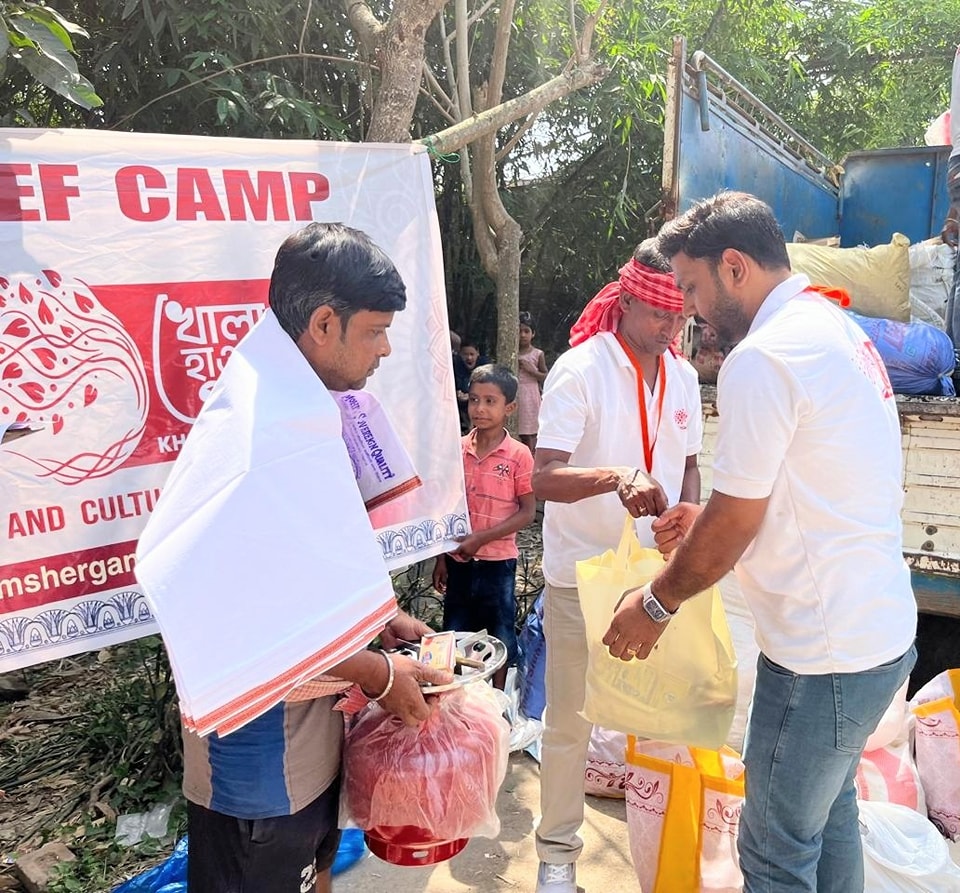
Each family was provided with essential items, including ration supplies(Grains, Eggs, Pulses, Cooking Oil), cooking stoves, utensils, sarees, dhotis, and materials such as tin sheets for house repairs. Financial support was also extended to the victims to help them rebuild their lives.
The programme was graced by Dr. Swapan Dasgupta, President of Khola Hawa, and members of Khola Hawa, whose presence and encouragement strengthened the spirit of service. Their active participation in distributing relief and cheques to the affected families highlighted solidarity with those in distress.
This humble effort of Khola Hawa aims to bring a ray of hope and restore faith in humanity by standing beside nearly 3,000 victims in their hour of need.